An Australian Benedictine Oblate of Jamberoo Abbey. Living in north-east Victoria.
My father was a veteran who came to Australia after the end of World War II. His family originates from Utrecht in the Netherlands with a documented ancestry going back into the eighteenth century.
My mother was a direct descendant of the English Beaufoy family, who have a long genealogy stretching back a thousand years. The family icon is the beech tree, and Beaufoy comes from the old French and means ‘beautiful beech’. In the early days, the name was frequently spelled in several ways: Galsagus, Bellofagus, Beaufoe, Beaufou, or Beaufo.
The genealogy of the Beaufoys traces back to Normandy in the eleventh century, and includes marriages with the de Ferrers, de Clare, and Plantagenet families. William de Beaufo was a chaplain and arrived in England with King William I during the Norman conquest of 1066. William de Beaufo went on to become the Bishop of Thetford from 1085 to 1091.
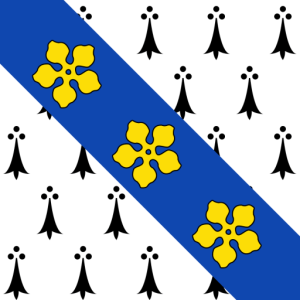
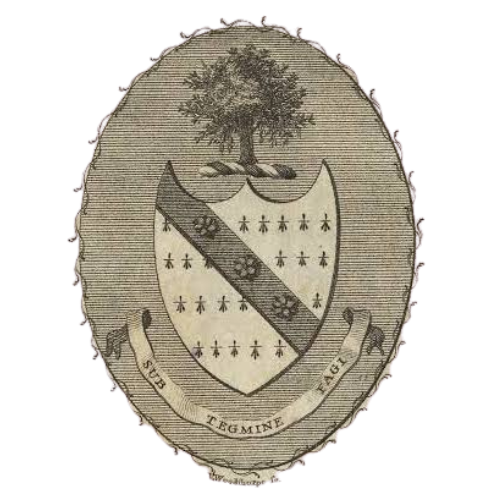
The Arms of the family were first used by Thomas Beaufou in the 14th century: Ermine, on a bend az three cinquefoils or: for Beaufoy. The crest is a beech tree with the motto ‘sub tegmine fagi’ — ‘under the beech tree canopy’. It wasn’t until the seventeenth century when Henry Beaufoy adopted the spelling as it is today.
My direct ancestors carried the Beaufoy family name until the third great grand mother, Anne, who was born in 1805. She was the only child of Lieutenant Benjamin Beaufoy, a direct descendant of Sir Thomas Beaufoy (1545-1630).
The important thing for me is that we are who we were. We are all part of history. We are all part of God’s creation, from the very beginning: “Before I formed you in the womb I knew you; before you were born I sanctified you” (Jeremiah 1:5). Our lives are to become a legacy, by following the example of Jesus and his call for us to love and serve one another.

