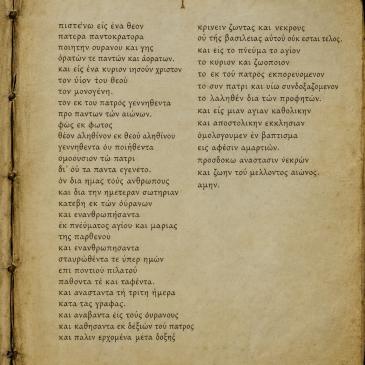
From Nicaea evolved the creed of Epiphanius and its ratification by the Council of Constantinople

A doctrine of the Trinity does not appear in the Hebrew scriptures, which centre on the oneness of God: “Hear O Israel: The LORD is our God, the LORD alone” (Deut 6:4 NRSV). The New Testament writers did not clearly explain how the Trinitarian unity of Father, Son, and Spirit preserved the oneness of God. … More From Nicaea evolved the creed of Epiphanius and its ratification by the Council of Constantinople
Athanasius of Alexandria

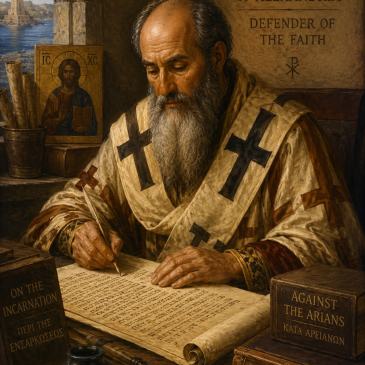
This paper examines the Trinitarian theology of Athanasius of Alexandria (c. 296-373). His writings span more than forty years and played a significant role in shaping the Church’s understanding of God’s triunity. Athanasius’s notable works defend the Council of Nicaea in 325 and refute the Arian heresy. Athanasius defends the Nicene formula that the Son … More Athanasius of Alexandria

Exegesis of 2 Samuel 7:1-17

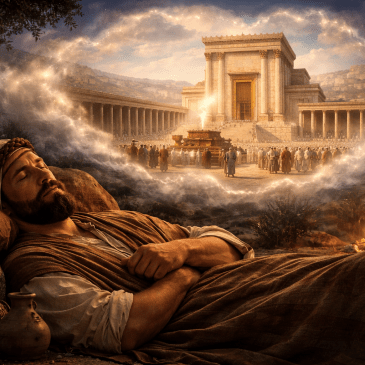
This passage assures readers—especially those facing exile—that God’s promise to David endures despite the loss of the temple and kingdom. God is not limited to an earthly temple and remains free and faithful, guaranteeing a future, everlasting Davidic kingdom. This oracle offered deep comfort both to its first hearers and to readers today by affirming … More Exegesis of 2 Samuel 7:1-17